Save the Little Fish

Freshwater fishes

The fish list

542 species, each with the water it needs, who it gets along with, and where it comes from. Find one, or browse by family, genus or river.

Lake 9 fish

Deep water hap

Deep water hap ≈

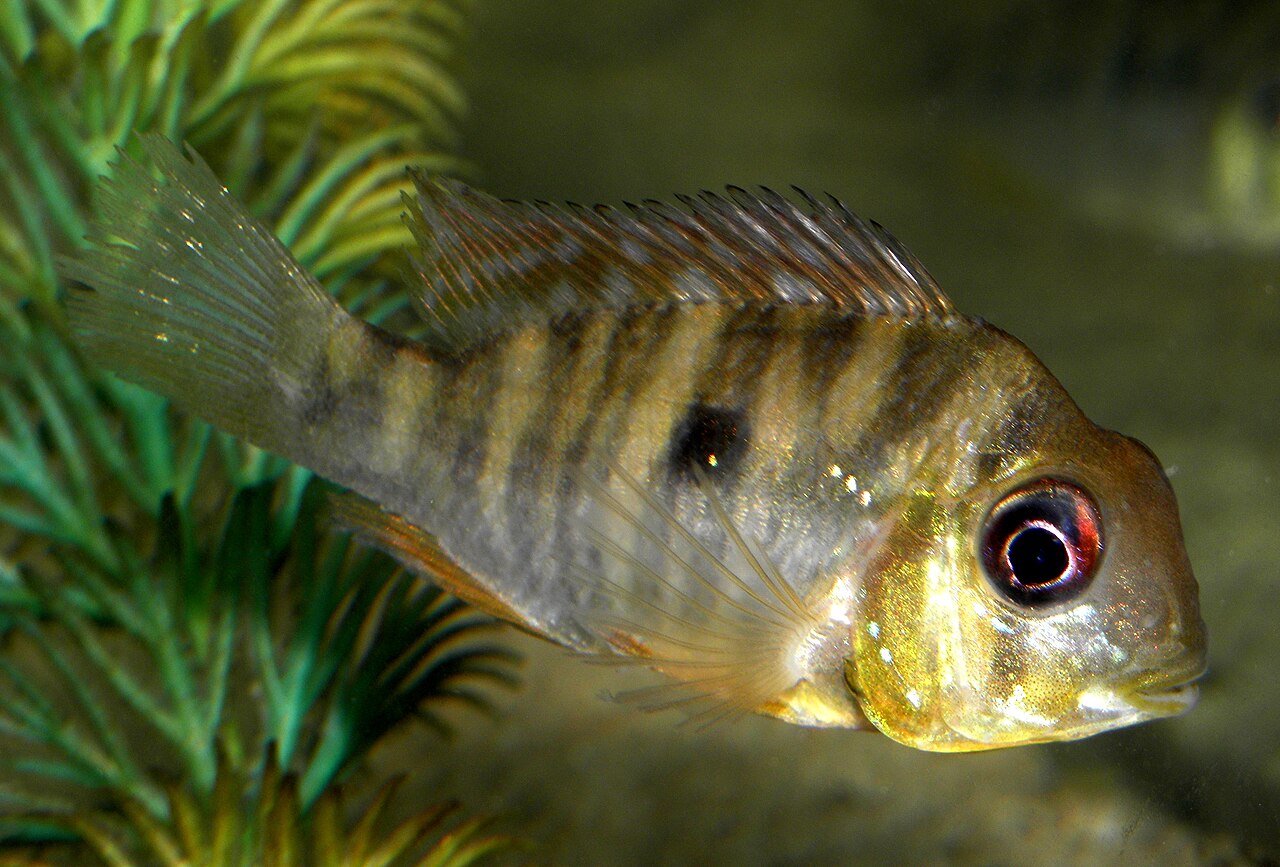
Cichlids · PlacidochromisLC

Predator. Eats any fish that fits in its mouth.

Lake Malawi: sandy bottoms below ~7 m at Likoma Island, Mara Point and Malawi coast south to Nekete

Deep water hap

Placidochromis electra

Lake Malawi: sandy bottoms below ~7 m at Likoma Island, Mara Point and Malawi coast south to Nekete · lake

Temperature
24–28°C
pH
7.6–8.8
Adult size
6 in · 16 cm
Flow
Calm
Swims
Mid-water
Temperament
Peaceful
Diet
Omnivore
Group
4+
Status in the wild
Least concern

Predator. Eats any fish that fits in its mouth.

Hard water. Needs hard, alkaline water, like its rift lake.

Photo: Paolo Neo, Public domain
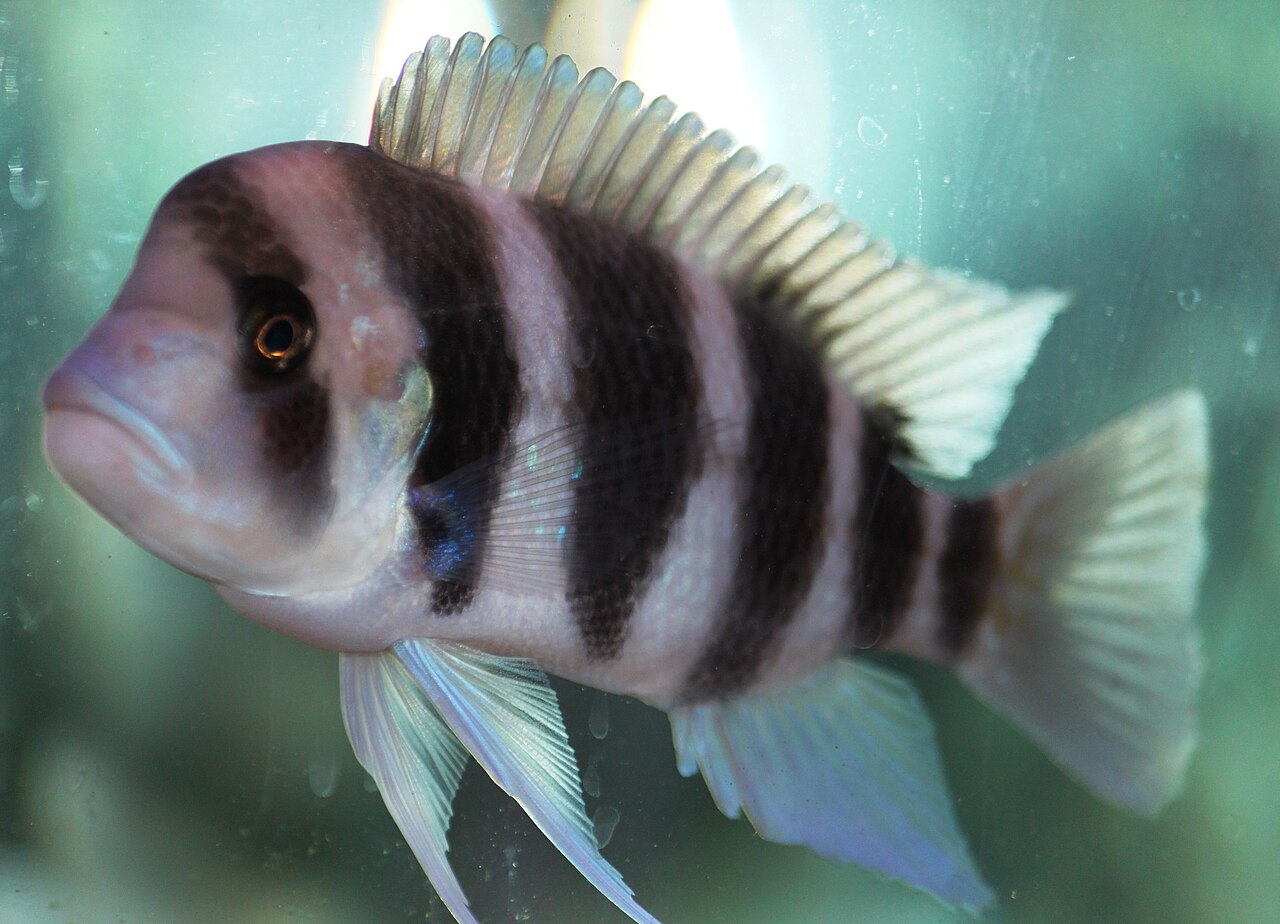
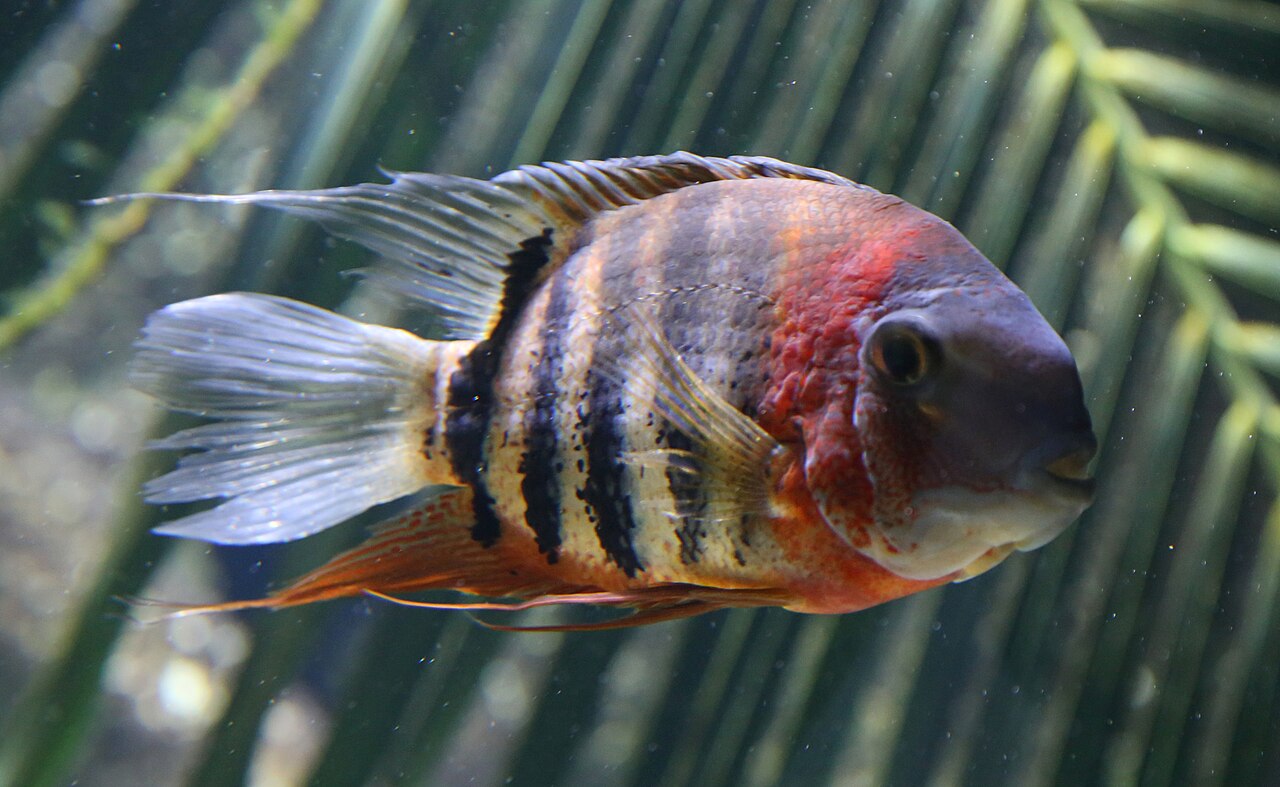
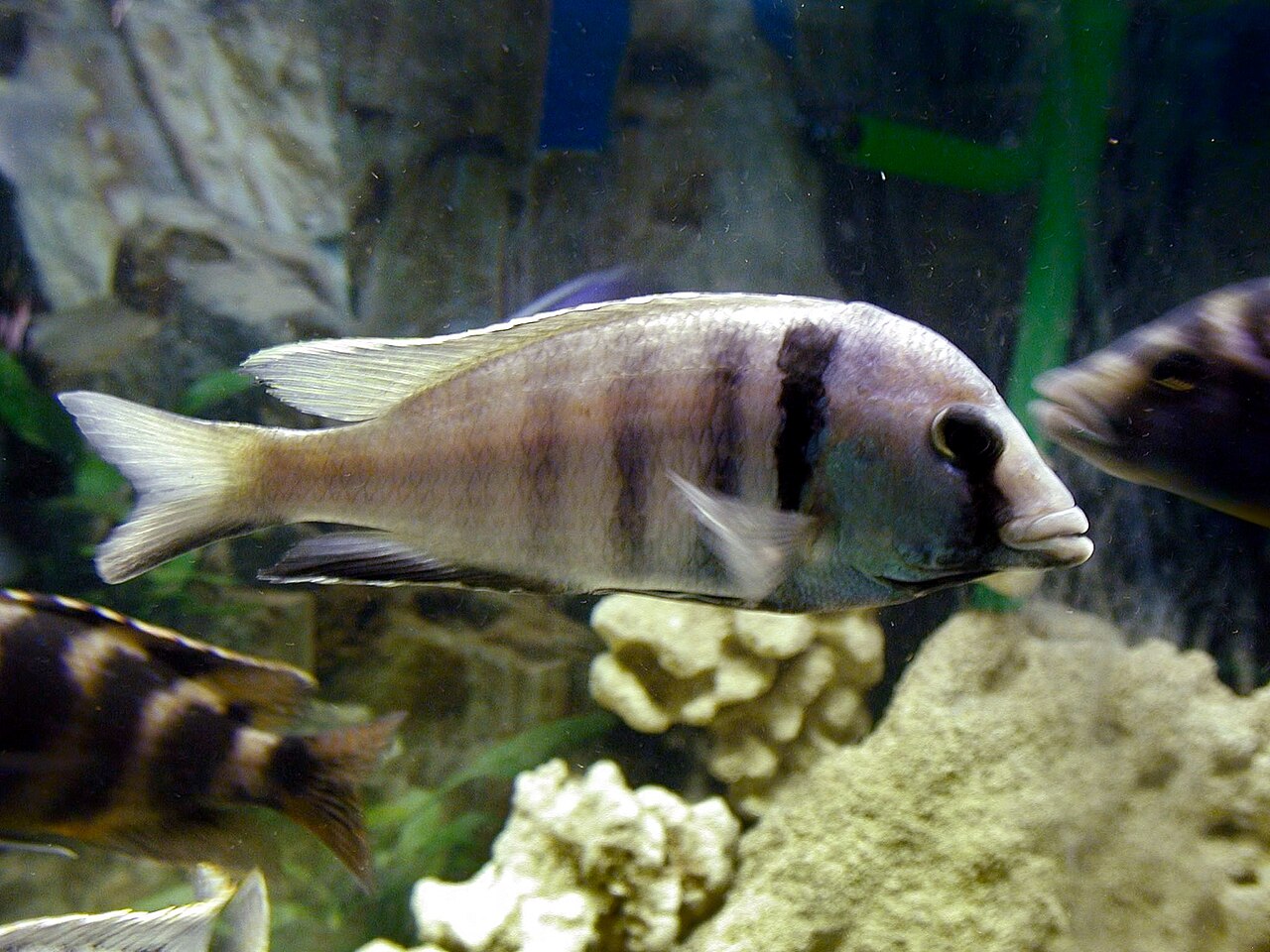
Frontosa

Frontosa ≈

Cichlids · CyphotilapiaNT

Predator. Eats any fish that fits in its mouth.

Northern Lake Tanganyika: deep rocky slopes 15-70 m, Cape Tembwe to Bulu Point

Frontosa

Cyphotilapia frontosa

Northern Lake Tanganyika: deep rocky slopes 15-70 m, Cape Tembwe to Bulu Point · lake

Temperature
23–27°C
pH
8–9
Adult size
10 in · 25.5 cm
Flow
Calm
Swims
Mid-water
Temperament
Semi-aggressive
Diet
Carnivore
Group
5+
Status in the wild
Near threatened

Predator. Eats any fish that fits in its mouth.

Hard water. Needs hard, alkaline water, like its rift lake.

Photo: Maha Dinesh, CC BY-SA 3.0

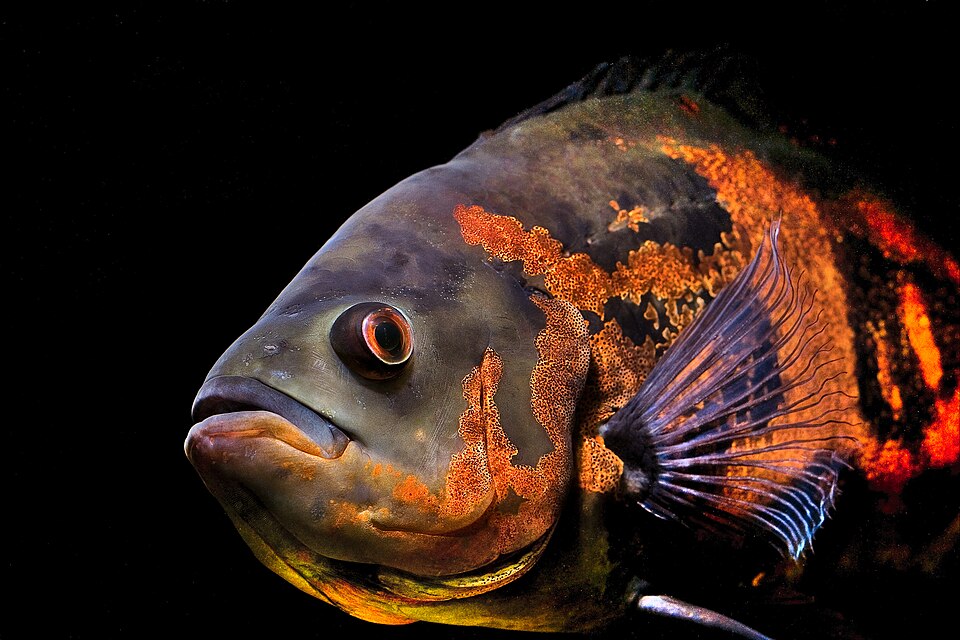
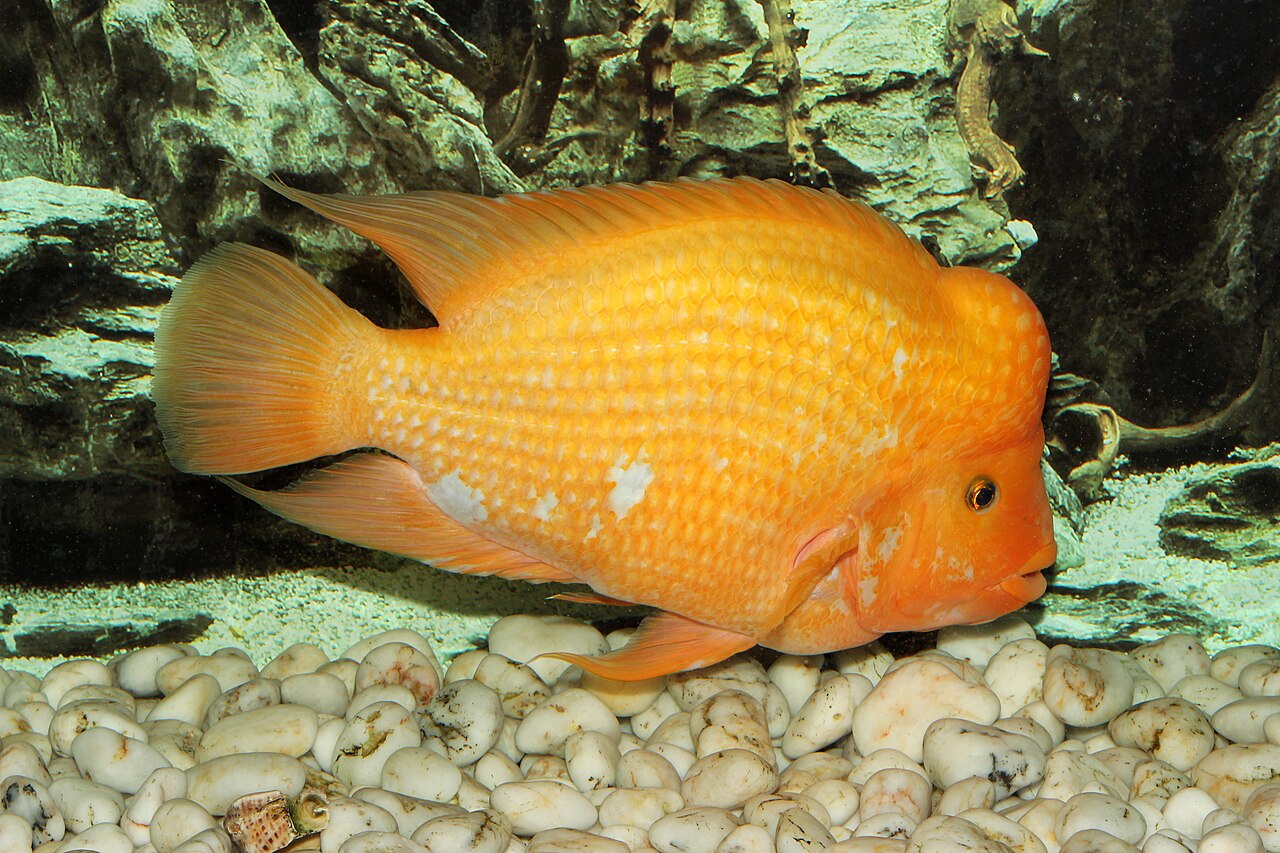
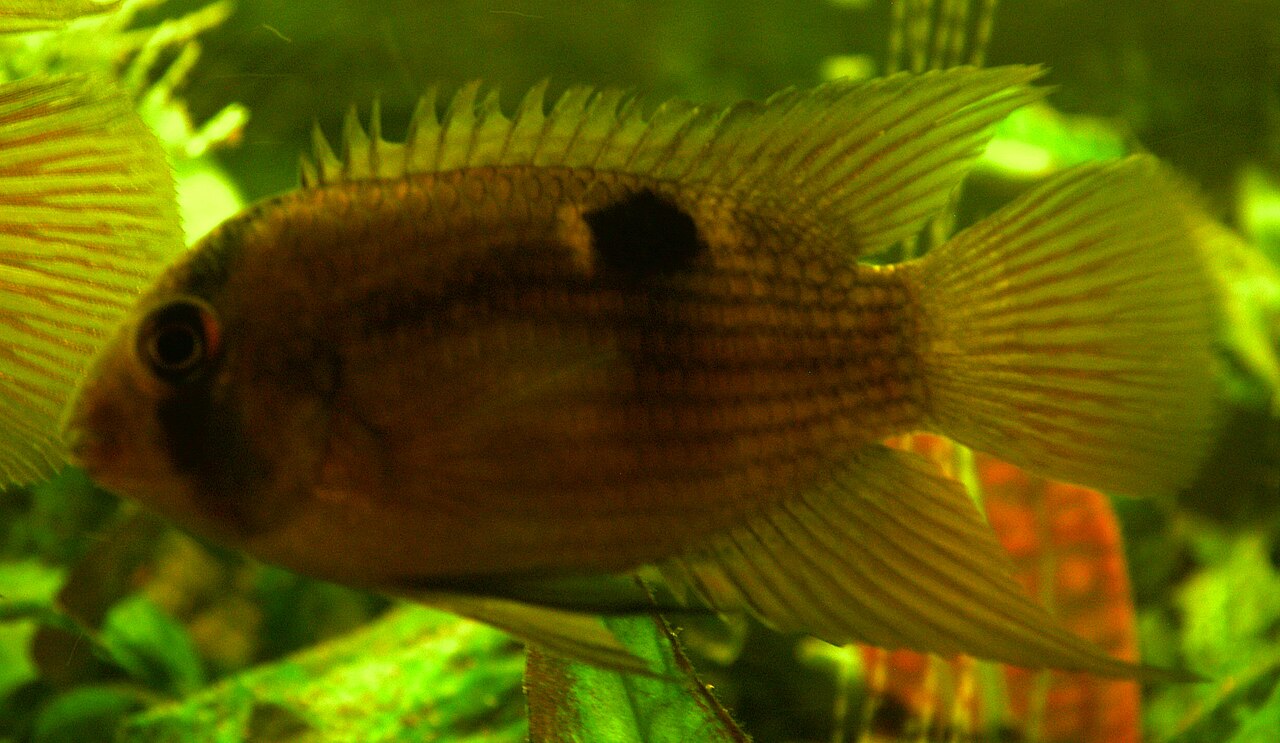
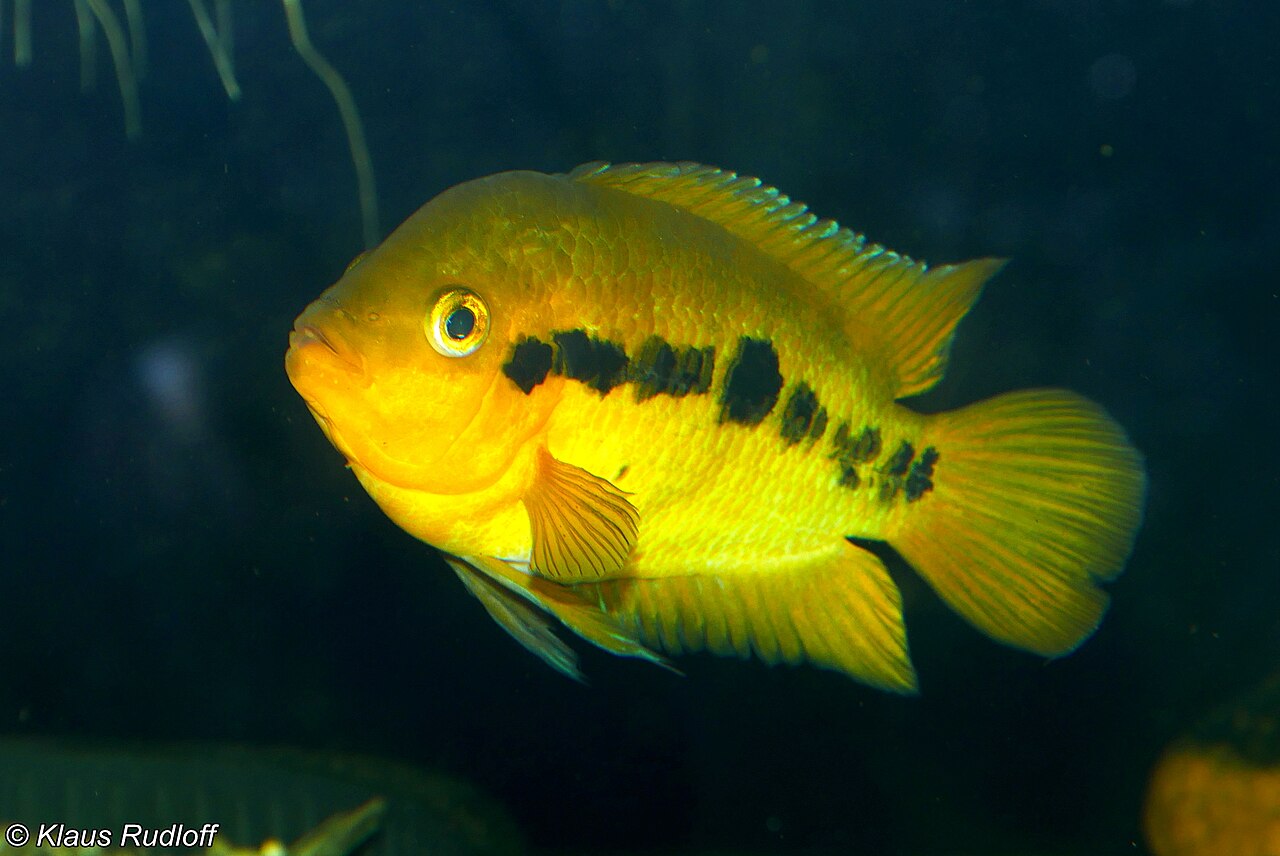
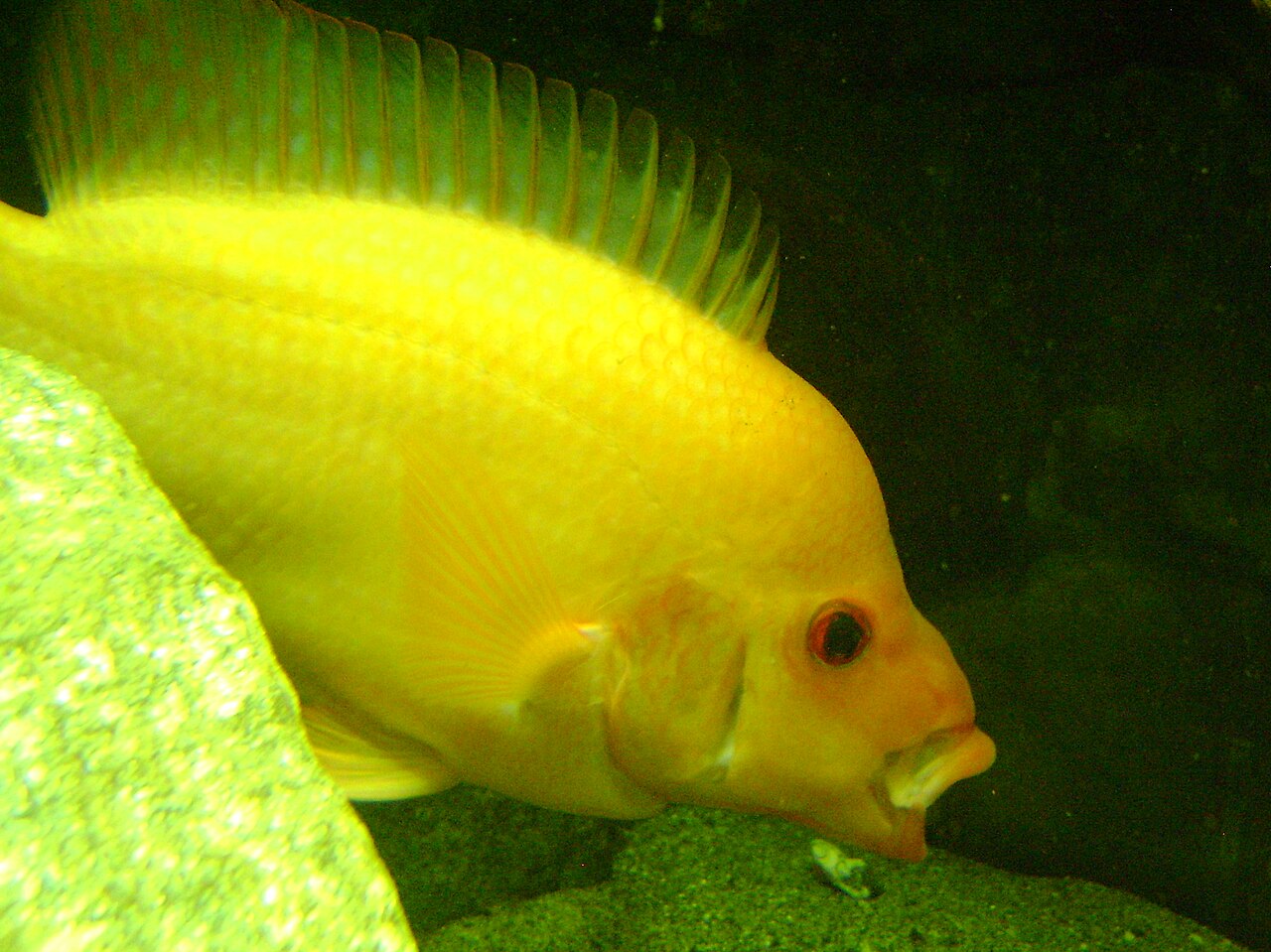
Midas cichlid

Midas cichlid ≈

Cichlids · AmphilophusLC

Predator. Eats any fish that fits in its mouth.

Lakes and San Juan drainage of Nicaragua and Costa Rica

Midas cichlid

Amphilophus citrinellus

Lakes and San Juan drainage of Nicaragua and Costa Rica · lake

Temperature
21–26°C
pH
6–8
Adult size
14 in · 35 cm
Flow
Calm
Swims
Bottom
Temperament
Aggressive
Diet
Omnivore
Group
1+
Status in the wild
Least concern

Predator. Eats any fish that fits in its mouth.

Photo: George Chernilevsky, CC BY-SA 4.0

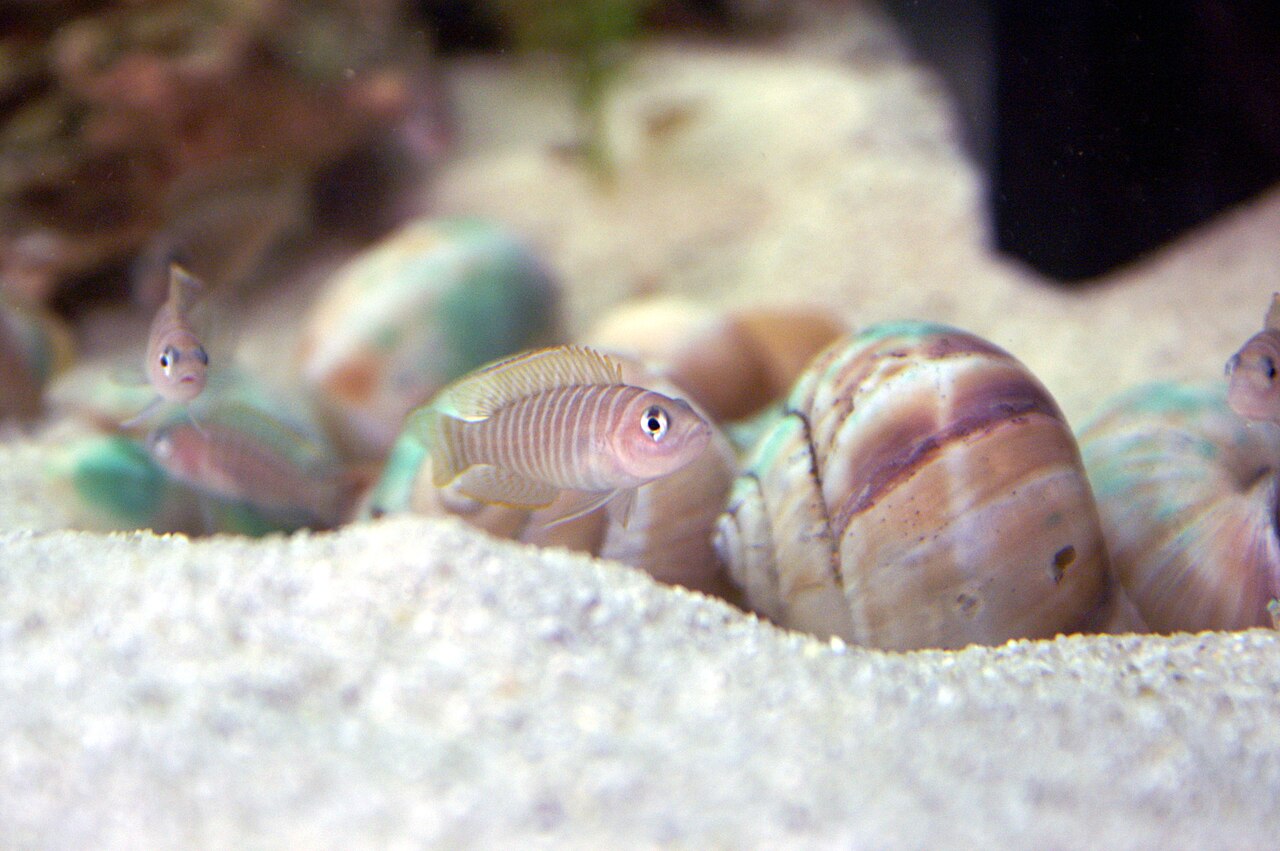
Multies

Multies ≈

Cichlids · NeolamprologusLC

Hard water. Needs hard, alkaline water, like its rift lake.

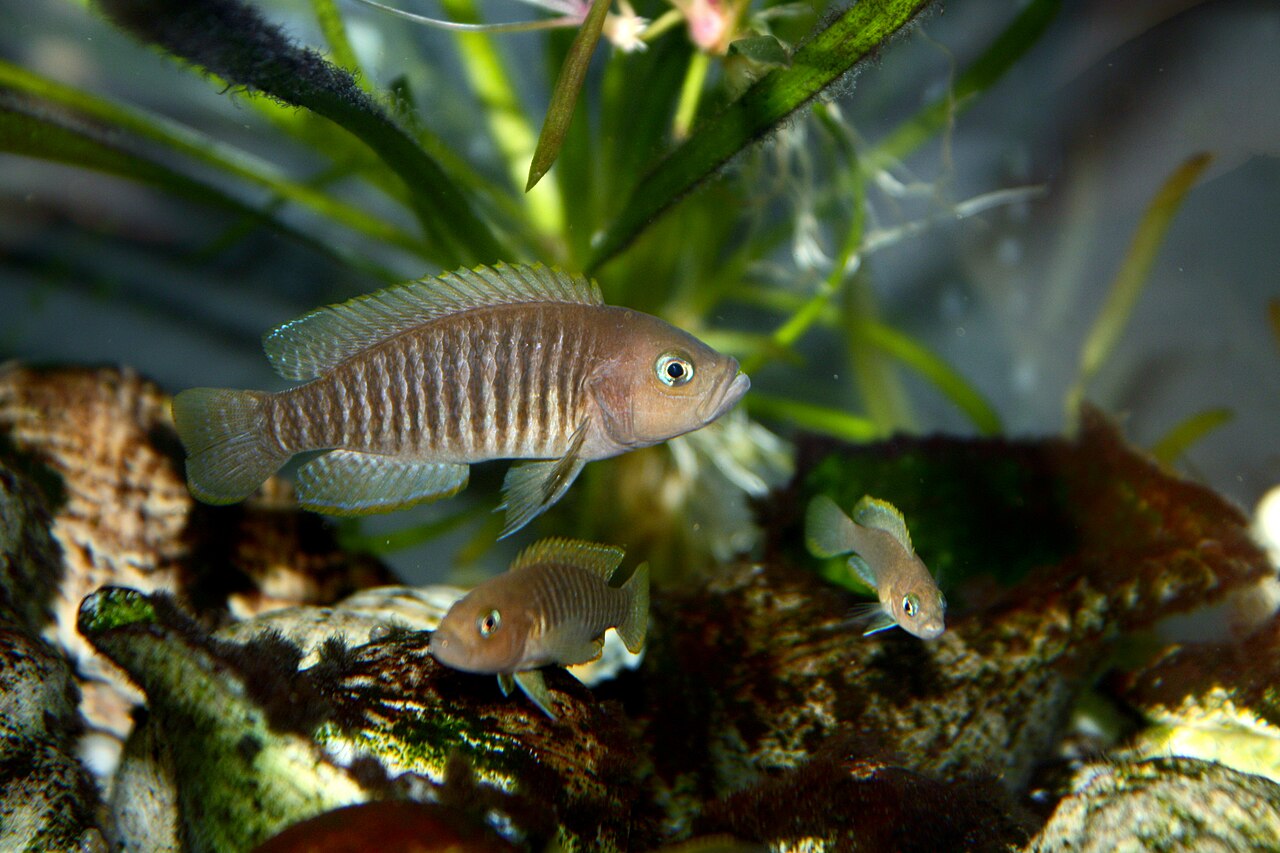
Lake Tanganyika: Neothauma snail-shell beds, usually 6-12 m

Multies

Neolamprologus multifasciatus

Lake Tanganyika: Neothauma snail-shell beds, usually 6-12 m · lake

Temperature
24–27°C
pH
7.5–9
Adult size
1.8 in · 4.5 cm
Flow
Calm
Swims
Bottom
Temperament
Territorial
Diet
Carnivore
Group
4+
Status in the wild
Least concern

Hard water. Needs hard, alkaline water, like its rift lake.

Photo: Richard A. Ingebrigtsen, CC BY-SA 3.0

Ocellatus shell-dweller

Ocellatus shell-dweller ≈

Cichlids · LamprologusLC

Hard water. Needs hard, alkaline water, like its rift lake.

Lake Tanganyika: shell-strewn sand with scattered rocks, usually 6-12 m

Ocellatus shell-dweller

Lamprologus ocellatus

Lake Tanganyika: shell-strewn sand with scattered rocks, usually 6-12 m · lake

Temperature
23–27°C
pH
7.5–9
Adult size
2.4 in · 6 cm
Flow
Calm
Swims
Bottom
Temperament
Territorial
Diet
Carnivore
Group
2+
Status in the wild
Least concern

Hard water. Needs hard, alkaline water, like its rift lake.

Photo: Cedricguppy - Loury Cédric, CC BY-SA 4.0

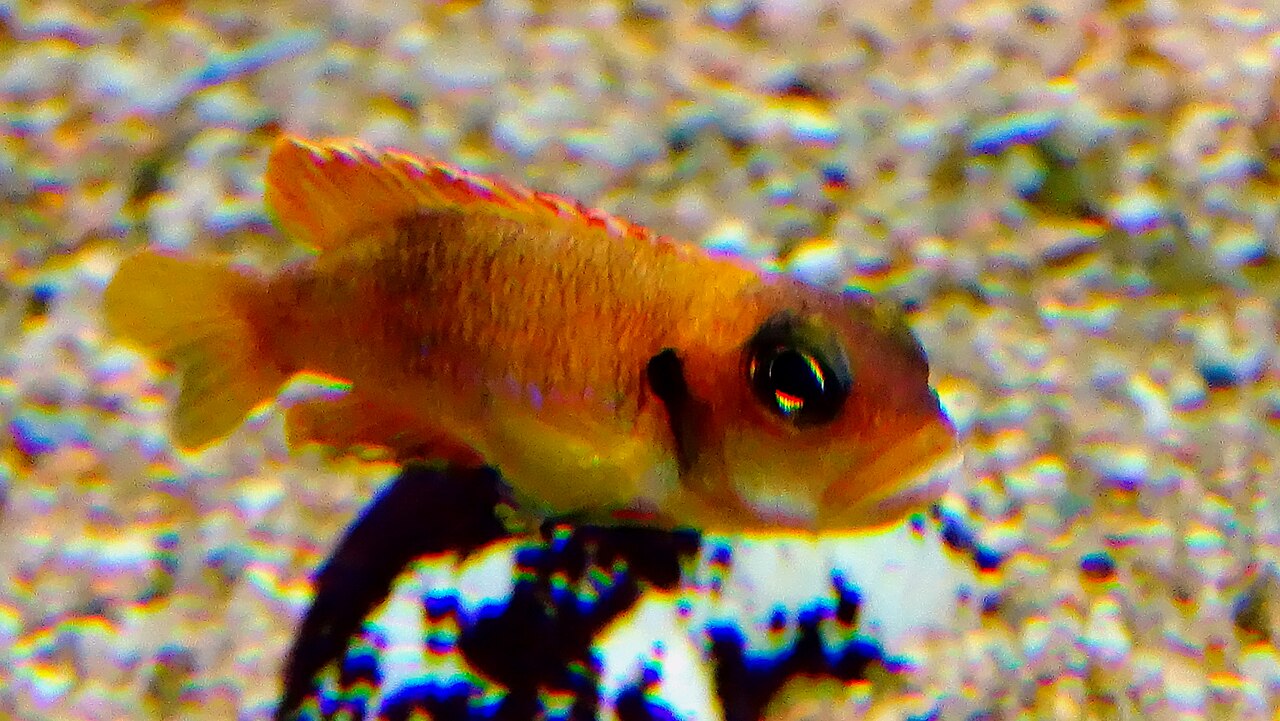
Similis shell-dweller

Similis shell-dweller ≈

Cichlids · Neolamprologus

Hard water. Needs hard, alkaline water, like its rift lake.

Southern Lake Tanganyika (DR Congo, Tanzania): shell beds 10-45 m

Similis shell-dweller

Neolamprologus similis

Southern Lake Tanganyika (DR Congo, Tanzania): shell beds 10-45 m · lake

Temperature
24–27°C
pH
7.5–9
Adult size
1.8 in · 4.5 cm
Flow
Calm
Swims
Bottom
Temperament
Territorial
Diet
Carnivore
Group
2+

Hard water. Needs hard, alkaline water, like its rift lake.

Photo: berzentei, Yvonne Turkans, CC BY-SA 3.0

Showing 9 of 9